
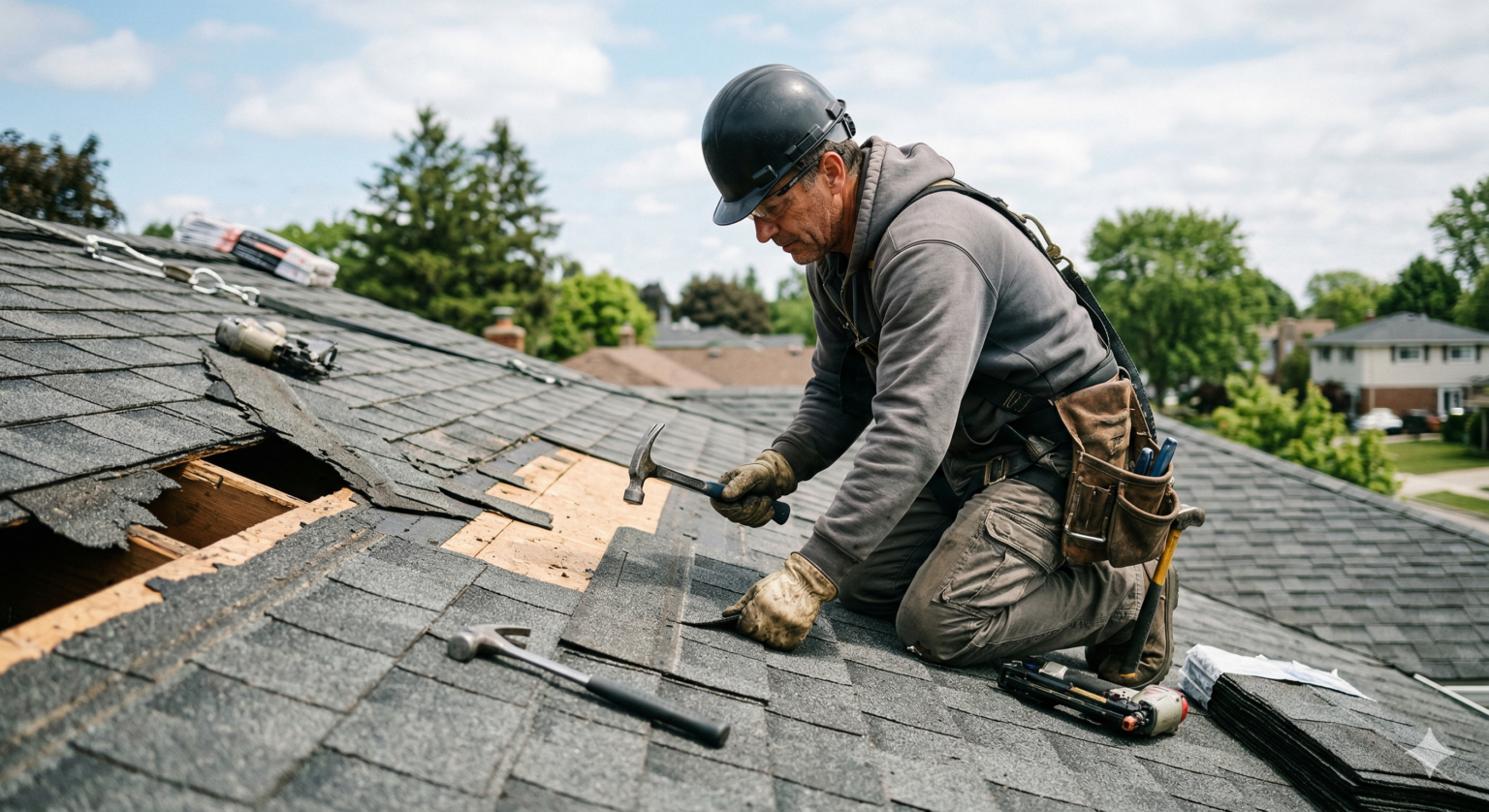
A roof is one of the most critical components of any property, especially in regions like New York City and New Jersey where buildings face harsh weather, heavy rainfall, and seasonal temperature shifts. Ignoring early signs of damage can quickly lead to costly structural issues, interior damage, and even safety hazards.
If you suspect a problem, understanding the warning signs can help you act quickly. This guide highlights the most common indicators that you need leaking roof repair and when to contact professional roof repair contractors for immediate assistance.
Why Early Roof Repairs Matter
Small roofing issues rarely stay small. What starts as a minor leak or clogged drain can escalate into serious water damage, mold growth, and compromised structural integrity.
Timely action offers several benefits:
- Prevents interior water damage
- Reduces repair costs over time
- Extends the lifespan of your roof
- Protects insulation and electrical systems
- Maintains property value
For homeowners and property managers, recognizing early warning signs is the first step toward avoiding emergency situations.
1. Interior Water Stains and Ceiling Discoloration
One of the most obvious signs that you need leaking roof repair is the appearance of water stains on ceilings or walls. These stains often appear as yellow, brown, or dark patches and may expand over time.
What Causes It
Water stains typically result from:
- Roof leaks allowing moisture to seep through
- Damaged or aging roofing materials
- Faulty flashing around vents or chimneys
Why It Is Urgent
Even a small stain can indicate ongoing water intrusion. Left untreated, this can lead to:
- Mold and mildew growth
- Weakening of drywall and ceiling materials
- Damage to insulation and wiring
If you notice fresh or growing stains, it is time to contact roof repair contractors for a professional inspection and repair.
2. Sagging Roof Decking
A sagging roof is a serious structural issue that requires immediate attention. This problem is more common in older buildings or roofs exposed to prolonged moisture.
Key Signs of Sagging
- Visible dips or uneven areas on the roof
- Interior ceiling sagging
- Cracks forming along walls or ceilings
What It Means
Sagging often indicates:
- Water saturation weakening the structure
- Rotting wood components
- Excess weight from trapped moisture or debris
Immediate Action Required
This is not a problem you can delay. A sagging roof may eventually collapse if not addressed. Emergency roof repair services should be contacted immediately to prevent further damage and ensure safety.
3. Missing or Damaged Roofing Membrane
Flat roofs, which are common in NYC and NJ, rely heavily on a waterproof membrane to keep moisture out. When this membrane is damaged or missing, your property becomes highly vulnerable to leaks.
Common Membrane Issues
- Cracks, blisters, or bubbles
- Tears caused by weather or foot traffic
- Sections completely missing
Risks of Ignoring Membrane Damage
Without proper protection, water can easily penetrate the roof surface, leading to:
- Persistent leaks
- Structural deterioration
- Increased repair costs
Routine inspections can help catch these issues early, but if damage is visible, immediate leaking roof repair is necessary.
4. Clogged or Overflowing Roof Drains
Drainage systems play a crucial role in maintaining the health of your roof. In urban areas like NYC, debris such as leaves, dirt, and trash can easily clog roof drains.
Warning Signs
- Standing water on the roof
- Water spilling over edges
- Slow drainage after rain
Why It Is Dangerous
Clogged drains can cause water to pool on the roof, increasing pressure and accelerating wear and tear. Over time, this can result in:
- Membrane damage
- Leaks and water intrusion
- Structural stress
Preventive Measures
Regular maintenance and cleaning can prevent blockages. However, if water pooling is already occurring, you should contact roof repair contractors to resolve the issue before it escalates.
5. Visible Flashing Gaps or Damage
Flashing is used to seal joints and edges around roof features such as chimneys, vents, and skylights. When flashing becomes damaged or loose, it creates an entry point for water.
Signs of Flashing Problems
- Gaps or separation around roof edges
- Rust or corrosion
- Loose or missing sections
Consequences
Damaged flashing can lead to:
- Localized leaks
- Interior water damage
- Reduced energy efficiency
When to Call Professionals
Flashing repairs require precision and expertise. If you notice any gaps or deterioration, professional emergency roof repair services should be scheduled immediately.
When to Call Roof Repair Contractors
While minor maintenance like cleaning gutters can be done independently, many roofing issues require professional expertise. Knowing when to call a contractor can prevent small problems from becoming costly repairs.
Signs You Need a Professional
- Persistent or Worsening Leaks: Water stains, dripping ceilings, or mold indicate a hidden leak that needs proper repair.
- Structural Changes: Sagging or uneven areas may signal weakened supports or water damage.
- Multiple Signs of Damage: Missing shingles, cracked flashing, or granule loss together suggest serious roof deterioration.
- Water Pooling or Drainage Issues: Standing water can damage roofing materials, especially on flat roofs.
- Visible Material Deterioration: Broken shingles, rusted flashing, or worn underlayment require professional replacement.
The Importance of Emergency Roof Repair Services
Roofing problems don’t always happen at convenient times. In many cases, delays in addressing damage can lead to extensive water intrusion, structural issues, and costly repairs. Emergency roof repair services are specifically designed to respond quickly to urgent situations, minimizing damage and protecting both the property and its occupants.
Situations That Require Emergency Repairs
Certain roofing issues require immediate attention to prevent further problems:
- Active Leaks During Storms: Heavy rain or snow can quickly exacerbate a small leak, leading to water damage inside your home or building.
- Sudden Structural Damage: Fallen tree limbs, strong winds, or accidents can cause immediate damage to your roof structure, making professional intervention essential.
- Severe Membrane Failure: On flat or low-slope roofs, membrane tears or punctures can allow rapid water penetration if not promptly repaired.
- Large Areas of Water Intrusion: When water starts entering multiple areas of your roof or interior, emergency repairs are critical to prevent serious property damage.
Benefits of Immediate Response
Calling emergency roof repair services right away offers several key advantages:
- Minimizes Interior Damage: Quick repairs prevent water from reaching ceilings, walls, floors, and valuable belongings.
- Protects Occupants and Assets: A compromised roof can pose safety hazards; prompt action keeps everyone inside safe.
- Reduces Overall Repair Costs: Addressing the problem immediately often costs far less than waiting until the damage worsens.
- Prevents Long-Term Structural Issues: Timely repairs prevent water from weakening roof decking, insulation, and other critical components.
How Roofing Repair Team Can Help
Roofing Repair Team specializes in identifying and resolving roofing issues quickly and efficiently. With experience in handling the unique challenges of NYC and NJ properties, their team delivers reliable leaking roof repair solutions tailored to your needs.
What Sets Them Apart
- Experienced and skilled professionals
- Advanced inspection and repair techniques
- Fast response for emergency situations
- Transparent communication and reporting
Whether you are dealing with minor leaks or major structural concerns, Roofing Repair Team ensures your roof is restored to optimal condition.
Preventive Tips to Avoid Major Roof Damage
Your roof protects your home from the elements, and while some repairs are inevitable, regular maintenance can prevent major issues and extend its lifespan.
1. Schedule Regular Inspections
Have a professional inspect your roof at least twice a year to catch damaged shingles, leaks, or structural issues early.
2. Keep Drains and Gutters Clean
Clogged gutters cause water buildup that can damage your roof. Clean them regularly and consider gutter guards to prevent debris accumulation.
3. Address Minor Issues Promptly
Even small problems like missing shingles or minor leaks can worsen over time. Fix them quickly to avoid costly repairs.
4. Monitor Interior Ceilings
Watch for water stains, discoloration, or peeling paint, which can indicate leaks or moisture damage. Early detection is key.
5. Limit Foot Traffic on Roofs
Avoid unnecessary walking on flat roofs to prevent cracks or damage, especially after storms or heavy weather.
Conclusion
Recognizing the early warning signs of roof damage can save you from costly repairs and serious structural issues. From interior water stains to sagging decking and flashing gaps, each sign indicates the need for prompt action.
If you notice any of these problems, do not delay. Professional leaking roof repair can prevent further damage and protect your property. For reliable service in NYC and NJ, Roofing Repair Team offers expert solutions and responsive emergency roof repair services to keep your roof in top condition.
Contact us today to schedule a roof inspection or repair and ensure your home stays safe and protected.
Frequently Asked Questions
What is the most common sign that I need leaking roof repair?
The most common sign is water stains on ceilings or walls. These usually indicate active leaks that require immediate attention.
How quickly should I respond to a roof leak?
You should act immediately. Delaying repairs can lead to structural damage, mold growth, and higher repair costs.
Can clogged roof drains really cause serious damage?
Yes. Clogged drains can lead to water pooling, which increases pressure on the roof and causes leaks or structural issues.
Are flashing issues easy to fix?
Flashing repairs require professional expertise. Improper fixes can worsen the problem and lead to further leaks.
When should I call emergency roof repair services?
You should call emergency services when there is active leaking, visible structural damage, or sudden roof failure during storms.