
Introduction
Managing commercial properties in the New York metropolitan area comes with a unique set of responsibilities, especially when it comes to roofing systems. Property managers operating across New York City and New Jersey often assume that roofing standards and requirements are similar, but that assumption can lead to costly mistakes. From building codes to structural styles, the differences between these two markets are significant and directly impact roofing decisions.
Understanding how commercial roofing services NYC differ from those in New Jersey allows property managers to make informed decisions, reduce risks, and maintain compliance. Whether you are working with roofing companies New York or coordinating with local roofing contractors in New Jersey, knowing these distinctions helps ensure long-term performance and cost efficiency.
Building Codes and Regulations
One of the most critical differences between NYC and NJ lies in building codes and regulations. New York City has some of the strictest construction and roofing codes in the country. The NYC Department of Buildings enforces detailed requirements related to fire resistance, energy efficiency, and material standards. Roofing systems in NYC must also comply with Local Law 11 and other facade and safety inspection laws, especially for high-rise commercial structures.
In contrast, New Jersey follows state-level building codes that are generally less complex than NYC regulations. While still stringent, NJ codes offer more flexibility in materials and installation methods. This difference means that a roofing contracting company working in NYC must have deeper familiarity with compliance requirements compared to those primarily operating in New Jersey.
Property managers must ensure that the contractor they hire understands these regulatory differences. Hiring an emergency roofing company that lacks NYC-specific experience can lead to violations, delays, and unexpected expenses.
Roof Types and Structural Differences
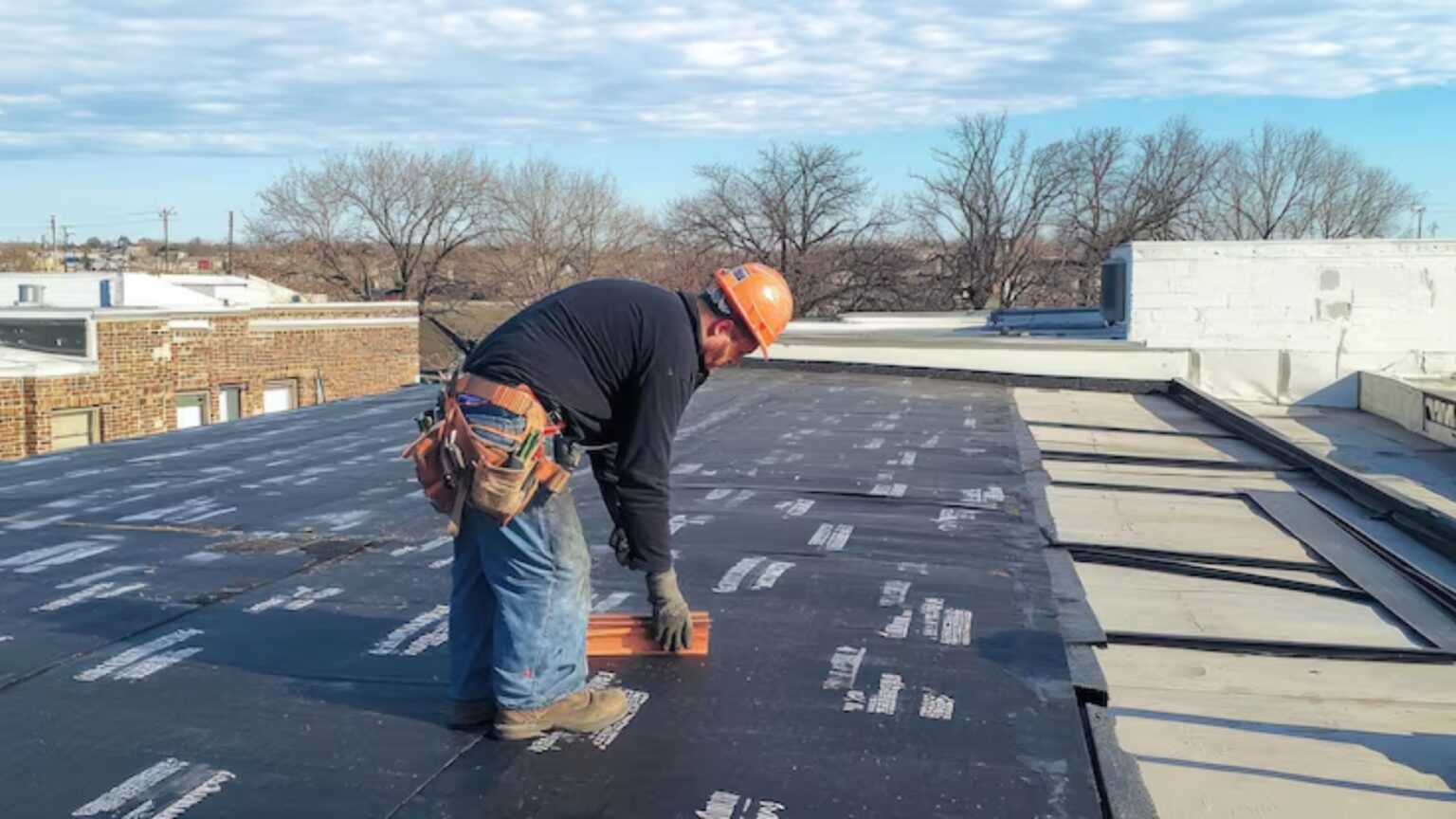
Roof design is another major point of distinction between the two regions. In NYC, flat roofs dominate the commercial landscape. High-density construction and limited space have led to the widespread use of flat and low-slope roofing systems. These roofs are typically constructed with materials such as modified bitumen, EPDM, or TPO, designed for durability and water resistance in urban environments.
New Jersey, on the other hand, features a more diverse range of commercial building styles. Suburban developments often include sloped roofs, metal roofing systems, and larger industrial structures with varied designs. This diversity requires local roofing contractors in NJ to work with a broader range of materials and installation techniques.
For property managers overseeing properties in both regions, it is essential to understand how these structural differences affect maintenance schedules, repair strategies, and overall costs.
Climate and Environmental Factors
Although NYC and NJ share a similar geographic region, environmental conditions can vary enough to influence roofing performance. In New York City, the urban heat island effect plays a significant role. Dense infrastructure and limited green space cause temperatures to rise, which can accelerate wear and tear on roofing materials.
Additionally, NYC buildings are more exposed to wind tunnels created by closely spaced high-rises. This increases the importance of secure roofing systems and proper installation techniques.
In New Jersey, especially in suburban and coastal areas, properties may face different challenges such as higher exposure to storms, snow accumulation, and salt air corrosion. Roofing systems in these areas must be designed to withstand these conditions, often requiring different materials and reinforcement methods.
A roofing contracting company that operates in both markets will be better equipped to address these environmental factors effectively.
Permitting and Inspection Processes
The permitting process in NYC is known for being detailed and time-consuming. Any commercial roofing project typically requires multiple approvals, documentation, and inspections. Delays are common if paperwork is incomplete or if contractors are unfamiliar with local procedures.
In New Jersey, the permitting process is generally more streamlined. Municipal-level approvals are still required, but the process tends to be faster and less bureaucratic compared to NYC.
For property managers, this difference impacts project timelines and planning. Working with experienced roofing companies New York ensures smoother navigation through NYC’s complex permitting system, while NJ projects may offer quicker turnaround times.
Cost Considerations
Cost is another area where differences are evident. commercial roofing services NYC are typically more expensive due to higher labor costs, stricter regulations, and logistical challenges such as limited access and transportation constraints.
In New Jersey, costs are often lower due to easier site access, fewer regulatory hurdles, and more flexible material options. However, the final cost still depends on the building type, roofing system, and project scope.
Property managers should avoid assuming that pricing structures are similar across both regions. Budget planning must account for these differences to prevent financial surprises.
Importance of Hiring Dual-Market Contractors
One of the most practical considerations for property managers is choosing the right contractor. Hiring a company that operates in both NYC and NJ offers significant advantages. Such contractors understand regional codes, environmental conditions, and structural differences, allowing them to provide consistent service across multiple properties.
Roofing repair team is an example of a provider that understands the complexities of working in both markets. By leveraging expertise in both NYC and NJ, they help property managers maintain compliance while ensuring high-quality roofing solutions.
An emergency roofing company with dual-market experience can also respond more effectively during urgent situations, minimizing downtime and preventing further damage.
Maintenance and Long-Term Planning
Maintenance strategies also differ between the two regions. In NYC, flat roofs require regular inspections to prevent water pooling and membrane damage. Preventive maintenance is essential to extend the lifespan of these systems.
In New Jersey, maintenance plans vary depending on the roof type. Sloped roofs may require inspections for shingle damage, while industrial roofs may need structural assessments.
Property managers should develop tailored maintenance plans for each location rather than applying a one-size-fits-all approach. Working with local roofing contractors who understand regional requirements ensures better long-term results.
Technology and Material Trends
Advancements in roofing technology are influencing both markets, but adoption rates can differ. NYC often leads in implementing energy-efficient roofing solutions such as cool roofs and green roofing systems due to regulatory incentives.
New Jersey is also adopting these technologies, but the pace may vary depending on local policies and building types. Property managers should stay informed about these trends to improve energy efficiency and reduce operational costs.
A knowledgeable roofing contracting company can recommend the most suitable materials and technologies based on the specific needs of each property.
Risk Management and Liability
Risk management is a crucial aspect of commercial property management. In NYC, higher building density increases the potential impact of roofing failures, making compliance and quality workmanship even more critical.
In New Jersey, risks may be more related to weather events and structural variations. Ensuring that contractors carry proper insurance and certifications is essential in both regions.
Roofing repair team emphasizes the importance of risk mitigation by adhering to industry standards and maintaining proper licensing across both markets.
Conclusion
Commercial roofing in NYC and NJ involves more than just installation and repair. It requires a deep understanding of regional differences in codes, structures, climate, and costs. Property managers who recognize these distinctions are better positioned to protect their investments and ensure long-term performance.
Choosing the right contractor plays a vital role in this process. Whether working with roofing companies New York or local roofing contractors in New Jersey, experience and regional expertise are key factors. By partnering with professionals who understand both markets, property managers can streamline operations, reduce risks, and achieve better results.
For reliable solutions across both regions, contact Roofing Repair Team today to discuss your commercial roofing needs and get expert guidance tailored to your property.
Frequently Asked Questions
What is the main difference between commercial roofing services NYC and NJ?
The main difference lies in building codes, roof types, and project complexity. NYC has stricter regulations and more flat roofs, while NJ offers more flexibility and diverse roofing styles.
Are roofing costs higher in NYC compared to NJ?
Yes, commercial roofing services NYC are generally more expensive due to higher labor costs, strict compliance requirements, and logistical challenges.
Why is it important to hire a licensed roofing contracting company for both regions?
Hiring a contractor licensed in both NYC and NJ ensures compliance with local regulations and provides consistent quality across properties in different locations.
Do flat roofs require more maintenance than sloped roofs?
Flat roofs, common in NYC, require regular inspections to prevent water pooling and damage. Sloped roofs in NJ may require different types of maintenance depending on materials.
How do environmental factors impact roofing in NYC and NJ?
NYC roofs face heat and wind challenges due to dense construction, while NJ roofs may be more affected by storms, snow, and coastal conditions.